

April 2025 • 5 MIN READ
QUEER HISTORY ON SCREEN
Queer history has long been erased, distorted, or ignored within mainstream narratives. For generations, LGBTQ+ lives were excluded from official records, leaving gaps where stories should have been. Today, film, particularly documentary, is playing a vital role in reclaiming that past. By centring LGBTQ+ history in media, filmmakers are restoring visibility to people and events that shaped culture but were never fully acknowledged.
Seeing queer history on screen is not just about remembering, it’s about recognising that queer lives have always existed and always mattered.
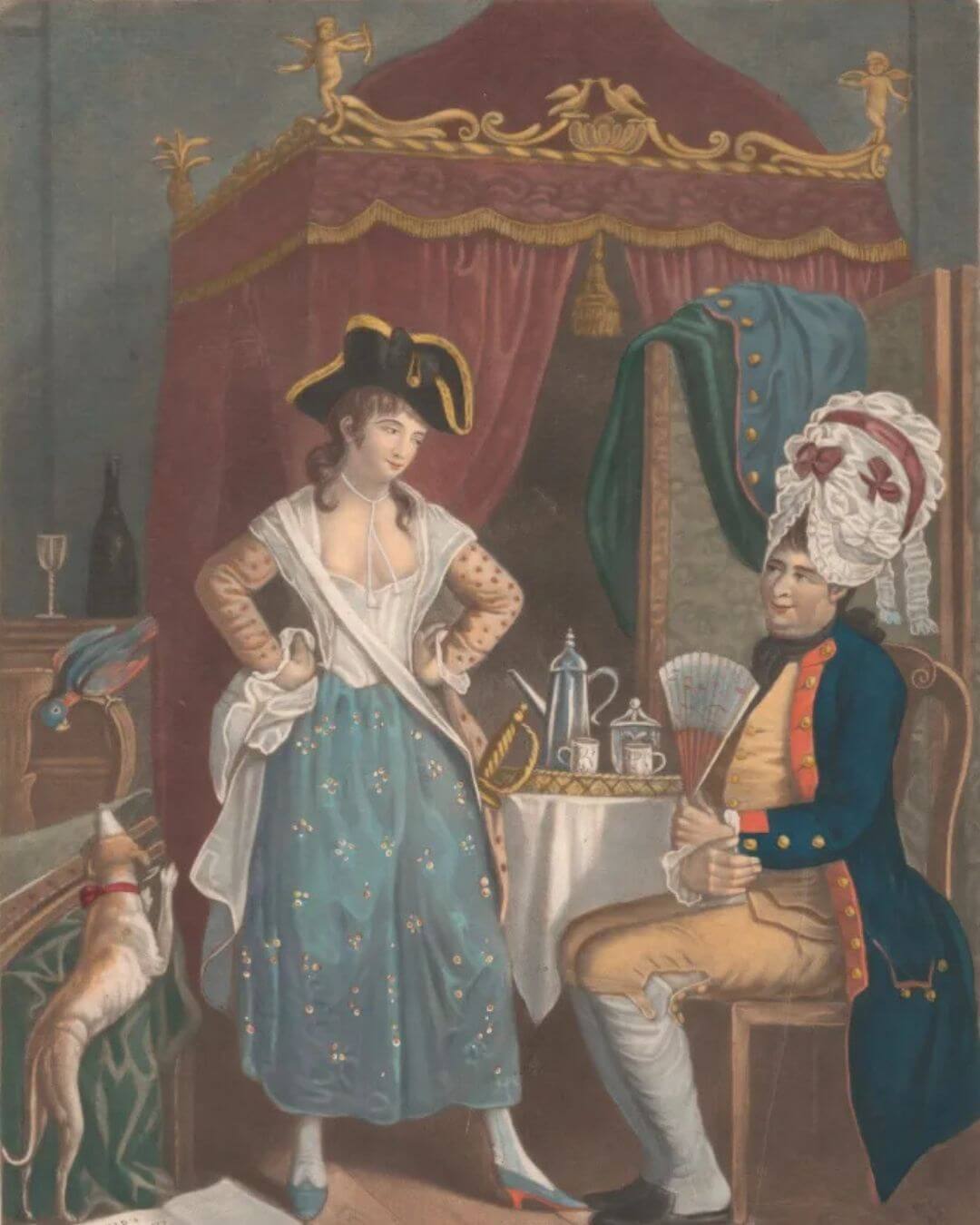
*A parodic cartoon by John Collet, via Wikimedia Commons
Documentary as a Tool for Recovery
Documentary film offers a powerful way to recover stories that were lost to silence or censorship. Through archives, interviews, and personal testimony, filmmakers are piecing together narratives that challenge dominant historical accounts.
By focusing on LGBTQ+ history in media, documentaries turn fragmented records into living stories. They bridge the gap between personal memory and collective understanding, making history accessible to new generations.
To see queer history on screen is to refuse erasure.
Rediscovering Queer Figures
Many queer figures have been written out of history or had their identities deliberately obscured. Documentary film allows these lives to be re-examined with honesty and care, restoring complexity to people who were previously flattened or erased.
When queer figures are represented fully, including their identities, relationships, and communities, history becomes richer and more accurate. These stories remind us that queerness has always been part of social, political, and cultural movements.
Revisiting Pivotal Moments and Movements
Beyond individuals, documentary films are shedding light on key queer events and movements that shaped the fight for visibility and rights. From underground organising to public protest, these moments gain new meaning when explored through contemporary lenses.
LGBTQ+ history in media helps contextualise the present. It shows how past struggles inform current conversations, and why progress can never be taken for granted.
Representation Shapes Collective Memory
The media doesn’t just reflect history; it shapes how history is remembered. Documentary films influence which stories are preserved, shared, and taught. When queer history is absent from screens, it risks being forgotten altogether.
By intentionally centring LGBTQ+ history in media, filmmakers help build a collective memory that includes everyone. These stories become reference points, ensuring that queer lives are recognised as part of the wider human story.
Why These Stories Matter Today
Rediscovering queer history is especially important in a time when LGBTQ+ rights and identities are still contested. Documentary film provides evidence, context, and continuity. It affirms that queer communities have always existed, resisted, and contributed.
For younger audiences, seeing queer history on screen can be transformative. It offers lineage, pride, and a sense of belonging, proof that they are part of something bigger than themselves.
Preserving the Past for the Future
Queer documentaries are not just reflections on the past, they are acts of preservation. They safeguard stories for future generations, ensuring that lives once hidden are never erased again.
By telling these stories with care, documentary film secures a future where LGBTQ+ history in media is visible, valued, and protected.