
March 2026 • 6 MIN READ
THE FUTURE OF LGBTQ+ REPRESENTATION IN ADVERTISING
Advertising has always reflected the culture of its time. From the stories brands choose to tell to the people they place at the centre of those stories, marketing shapes how audiences see the world and themselves.
In recent years, LGBTQ+ representation in advertising has grown significantly. What was once almost invisible has become increasingly visible across campaigns, commercials, and branded content. But while progress has been made, the future of LGBTQ+ marketing depends on moving beyond surface-level representation toward authentic, meaningful storytelling.
The Shift Toward Inclusive Advertising
For decades, LGBTQ+ people were either absent from advertising or portrayed through stereotypes. Brands were often cautious about including queer representation, worried about backlash or assuming that LGBTQ+ stories were too “niche” for mainstream audiences. That mindset has begun to change.
Today, audiences expect brands to reflect the diversity of the real world. Inclusive advertising is no longer just a social responsibility, it’s also a smart marketing strategy. Consumers increasingly support brands that align with their values, and authentic representation plays a major role in building that trust.
As a result, more organisations are exploring LGBTQ+ marketing campaigns, recognising that representation helps audiences feel seen, respected, and connected to a brand.
Authentic LGBTQ+ representation in advertising isn’t just about visibility – it’s about telling real stories that reflect the diversity and complexity of our communities.
Moving Beyond Tokenism
Despite this progress, representation in advertising is not always done well. One of the biggest challenges facing LGBTQ+ marketing today is tokenism, the inclusion of queer people purely for visibility without meaningful storytelling or genuine support for the community. Audiences can quickly recognise when representation feels performative.
The future of LGBTQ+ advertising will depend on brands moving beyond token gestures and focusing on authentic narratives. This means telling stories that reflect real experiences, diverse identities, and the complexity of queer lives rather than relying on clichés.
Authenticity comes from working with LGBTQ+ creatives, filmmakers, writers, and producers who bring lived experience to the storytelling process.
Representation Behind the Camera
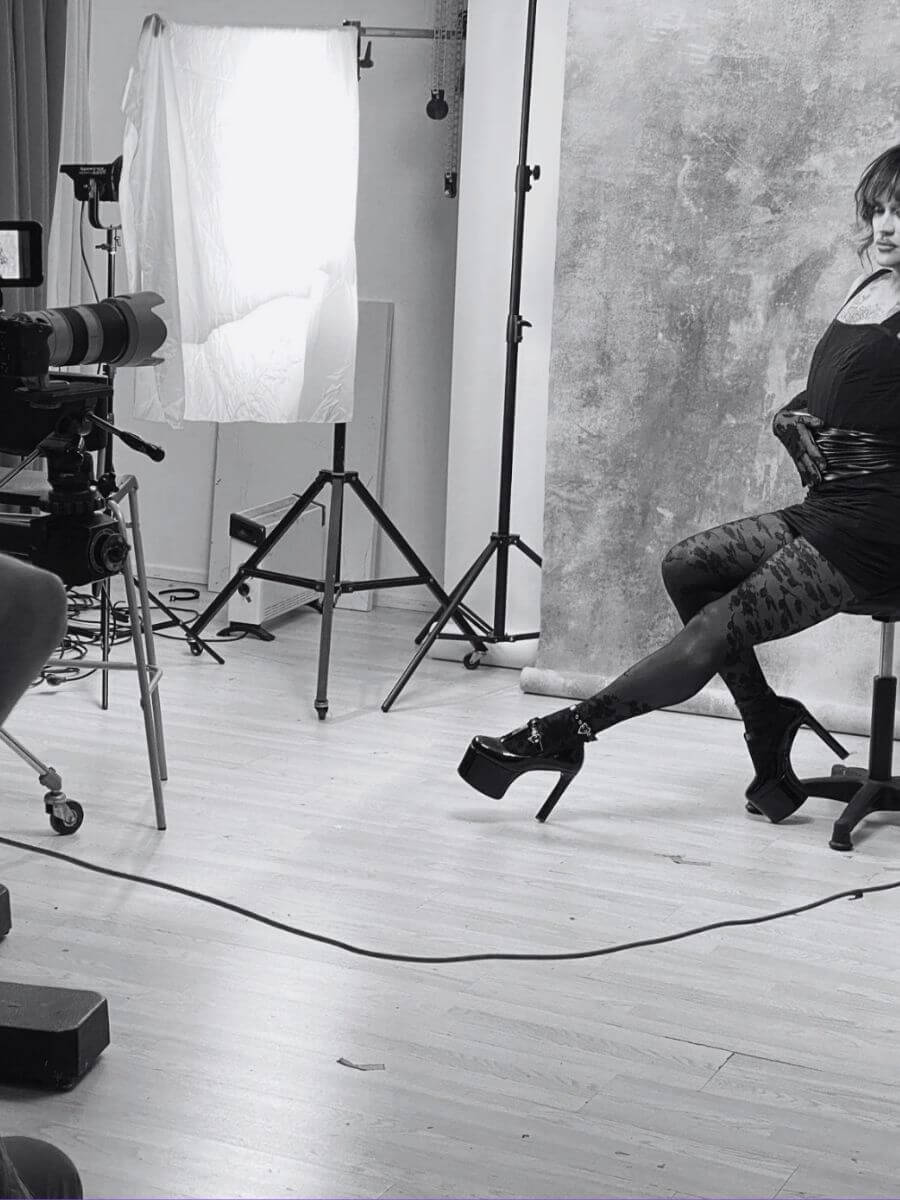
Inclusive marketing isn’t only about who appears on screen, it’s also about who creates the work behind the scenes.
When queer creatives are involved in developing campaigns, the stories tend to feel more genuine and nuanced. Diverse production teams help ensure that narratives are respectful, culturally aware, and reflective of real communities.
Production companies and creative agencies that centre LGBTQ+ voices play a crucial role in this process, helping brands create campaigns that are both impactful and authentic.
Year-Round Representation
Another important shift in LGBTQ+ marketing is the move away from “rainbow washing”, when brands show visible support for the community only during Pride Month.
While Pride campaigns can be powerful, audiences increasingly expect brands to support LGBTQ+ representation throughout the year. True inclusion means embedding diversity into marketing strategies consistently rather than treating it as a seasonal trend.
Brands that engage with LGBTQ+ storytelling year-round demonstrate a deeper commitment to representation and build stronger relationships with audiences.
Storytelling That Resonates
The most successful LGBTQ+ advertising campaigns share one common trait: they focus on human stories.
Rather than centring identity alone, effective campaigns highlight universal experiences—family, love, ambition, resilience, and community. These stories resonate because they reflect shared human emotions while still honouring the uniqueness of LGBTQ+ perspectives.
When storytelling is handled with care, campaigns can inspire empathy, challenge stereotypes, and expand how audiences understand identity.
The Role of Media Creators
Creative teams and production companies have an important role in shaping the future of LGBTQ+ marketing.
By collaborating with brands and organisations, they help ensure that campaigns are authentic and respectful, creatively engaging, reflective of diverse experiences and sesigned to spark conversation and connection
Media creators who prioritise representation bring both creative expertise and cultural insight to projects, helping brands tell stories that truly resonate with audiences.
Looking Ahead
The future of LGBTQ+ representation in advertising is about more than visibility. It’s about authenticity, inclusion, and meaningful storytelling.
As audiences continue to demand more genuine representation, brands that invest in thoughtful, inclusive campaigns will stand out. Those that collaborate with diverse creatives and centre real voices will help shape a media landscape where everyone can see themselves reflected.
For storytellers, filmmakers, and production companies, this moment presents an opportunity to create advertising that not only promotes products but also celebrates identity, challenges narratives, and contributes to cultural change.
Because when representation is done right, advertising becomes more than marketing—it becomes storytelling that matters.